Published June 2026
Blog: ‘This is for all the Farmers’: The Hawkstone Farmers’ Choir Effect by Alix Ritchie, Director, Farmstrong Scotland
Go Back
‘This is for all the Farmers’: The Hawkstone Farmers’ Choir Effect by Alix Ritchie, Director, Farmstrong Scotland
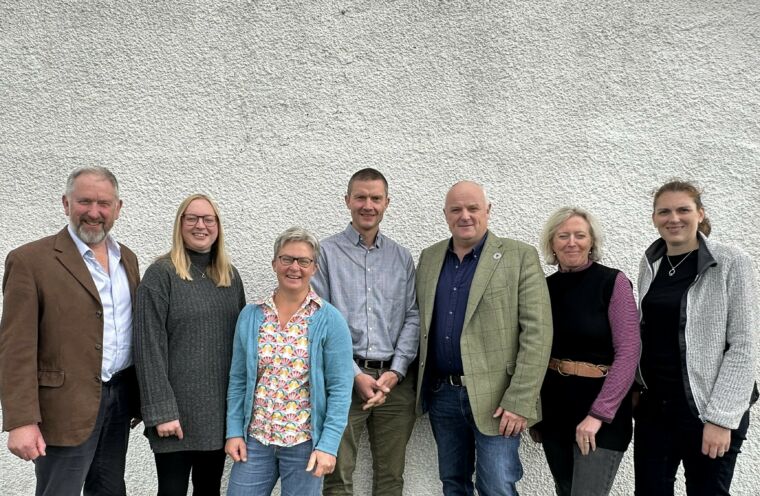
On Saturday night, like many people, I found myself watching the Britain’s Got Talent final. It is not something I usually follow, but this time I tuned in for a specific reason. I wanted to watch the Hawkstone Farmers’ Choir, a group of farmers brought together by singing and a shared connection to farming.
Congratulations to them all on the win - what drew me in was not just the performance. It was the shared identity I had personally as a farmer.
It is often hard to explain what makes you feel seen or what creates a sense of belonging. Sometimes it is as simple as recognising something of yourself in others, in their background, their voice or their experience. Watching the Hawkstone Farmers’ Choir, that recognition was clear. Here was a group rooted in agriculture, standing on a national stage, representing a way of life that is not always visible or understood. After the performance choir lead Katryna Shell exclaimed “This is for all the farmers”. That moment of recognition matters more than we might think.
Through my Nuffield Farming Scholarship, I am exploring ways to strengthen social wellbeing in agriculture. Alongside this, my work with Farmstrong Scotland is grounded in the same question, how do we support farmers to stay well and feel connected in a practical, meaningful way?
So far, I have come to think about social wellbeing being rooted in two things: Shared Identity and Groups.
This links closely with the research in The New Psychology of Health by Haslam and colleagues. Their work shows that wellbeing is not just an individual issue. It is shaped by the groups we belong to and the identities we share within them. In fact, people who are more socially connected not only report better wellbeing, but they also live longer and have better overall health outcomes. The evidence goes further to show that shared identity and group belonging are directly linked to physical health and survival.
Through this framework, the impact of the Hawkstone Choir is easier to understand. It was a group of individuals expressing a shared identity, farming, community and culture. For those watching who are connected to agriculture, it offered representation.
When identity feels less secure, it can affect how people connect with others and where they feel they belong. This is where the second pillar, groups, becomes important.
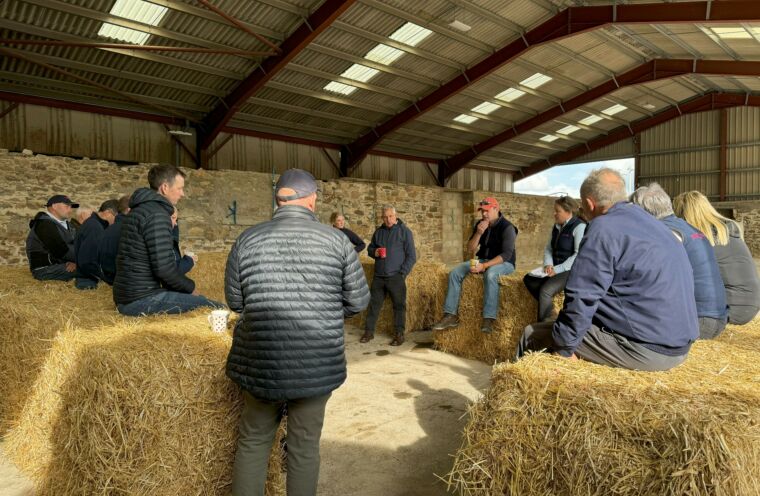
Groups are the spaces where identity is reinforced and supported. Whether it is a choir, a Young Farmers club, breed society, or a local discussion group, these are the environments where people maintain and build the connections that underpin wellbeing. Evidence shows that maintaining and gaining group memberships is linked not only to better mental health, but also to better physical health outcomes over time.
The Hawkstone Farmers’ Choir brought these two pillars together in a simple but powerful way. A shared identity expressed through a group and recognised by a wider audience. It was not just entertainment. It was a clear example of how identity and groups work together to support wellbeing.
If we want to strengthen social wellbeing in agriculture, we need to focus on both. Supporting people to feel confident in who they are and creating spaces where that identity can be shared and sustained. That might look like a discussion group that starts with agronomy but ends with honest conversation. A show committee that keeps people anchored to something bigger than their own farm. Or yes, a choir. The form matters less than the function - a space where farmers can see themselves reflected in others and feel less alone in what they carry. Because this is not just about social connection…it is about health.
If you run or know of a community group or choir that people can join if they feel inspired to start singing, let us know on the button below.
IMAGE CREDIT: ITV/BGT