For many farmers and crofters, there comes a point where they pause to reflect on their business and its future – is it sustainable physically, mentally and financially?
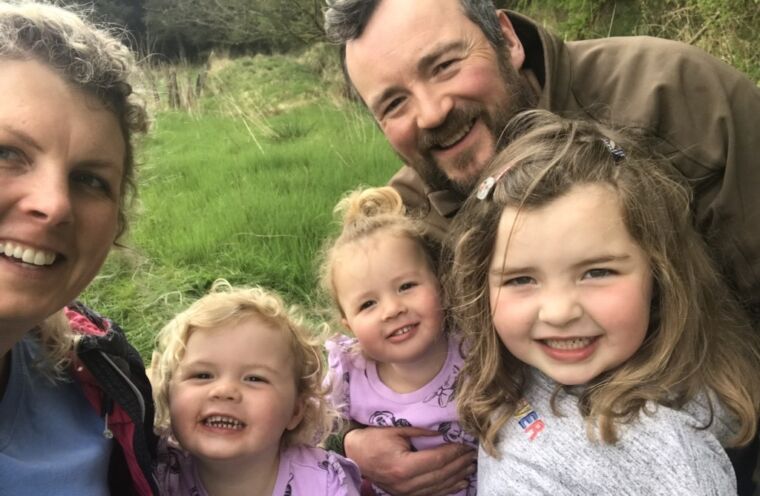
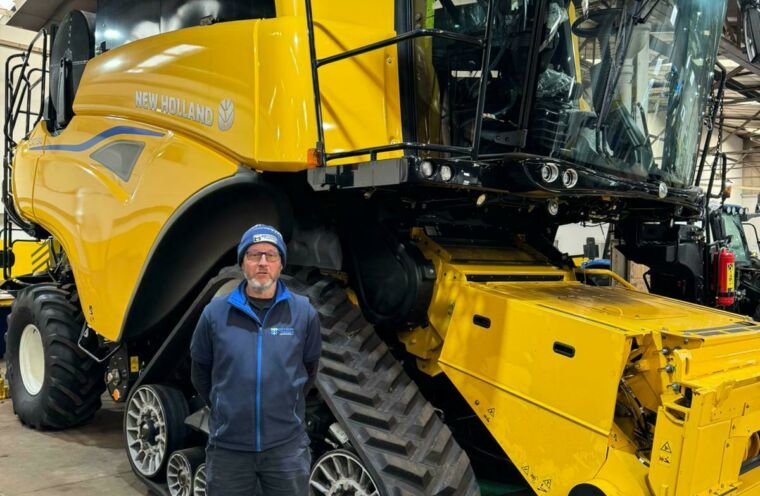
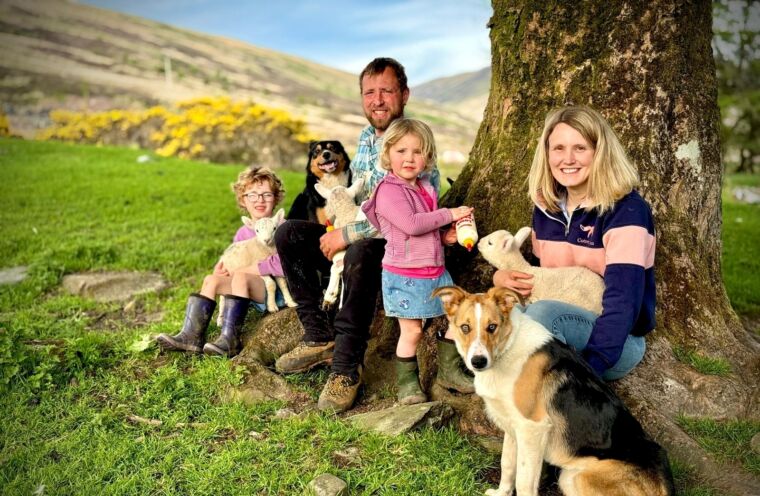
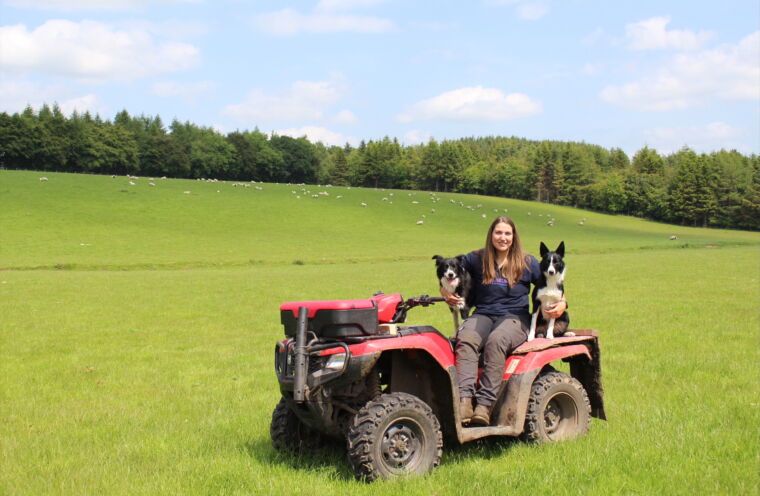
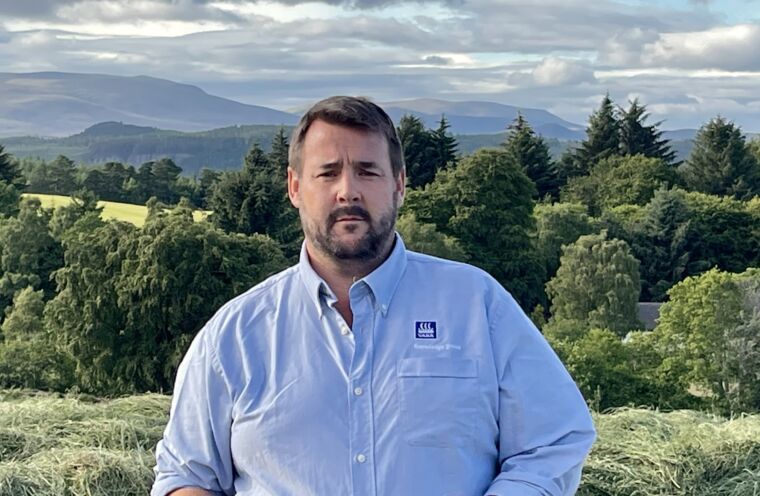
For siblings Dave and Ruth Sutherland, that moment came about 18 months ago. Together with their parents and brother Ian, the fourth-generation farmers from Hillhouse Farm in the Scottish Borders, had built a significant operation - 1,450 acres of upland farming, a 500-acre contract farming arrangement, a roadside café, five holiday cottages and a small agricultural engineering business. And on top of all that was a very large number of sheep.
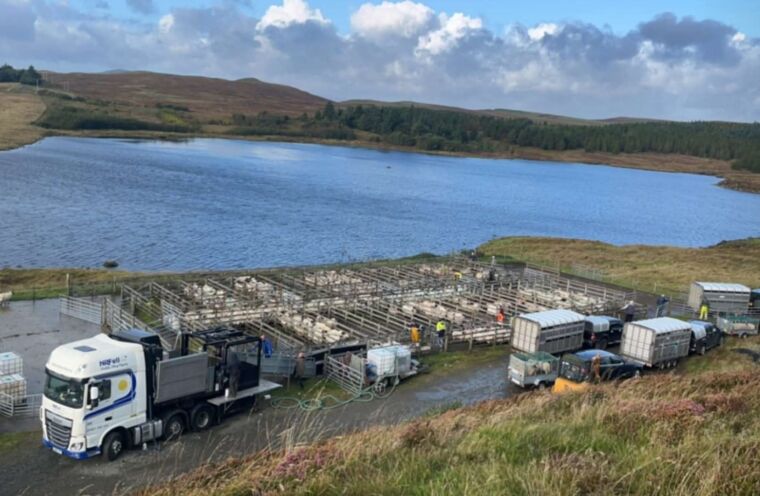
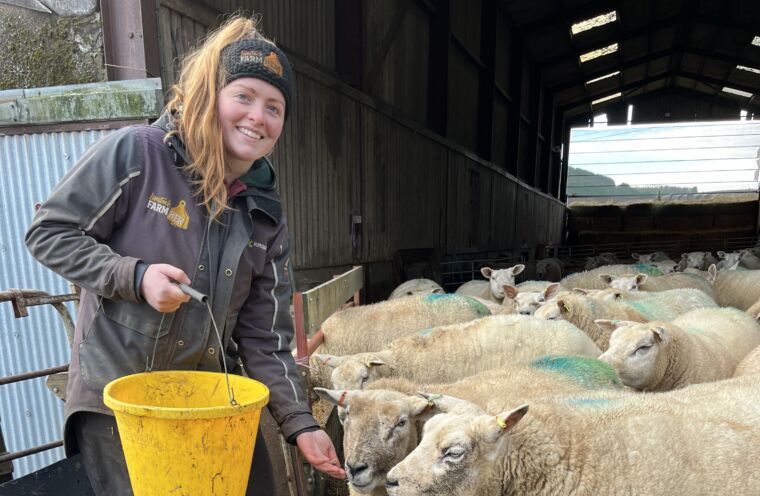
At its peak, Dave was managing 2,200 ewes so when a valued young team member left his role, the workload fell squarely back on Dave - and on their father Jim, now in his seventies, who was managing 1,000 sheep at the other farm.
Unfortunately, compounding that, some of the flock then contracted a disease which meant the family couldn’t sell any breeding stock from the affected farm. "Sheep can be a challenge at the best of times," says Dave. "When they've got an extra problem on top of that, and you’re losing stock, it's pretty grinding."
Add in two consecutive dry summers burning off the south-facing slopes, mounting feed bills and the relentless pressure of managing large numbers with a small team, something had to give.
"The financial stress, the mental stress - all of that was really tough," says Ruth. "Having come through a few summers and winters of dealing with that, it became a bit of a catalyst for change."
A moment of decision
Ruth's path back to the farm had been gradual. After 12 years in banking, she had found herself drawn in - initially through the holiday cottages, then increasingly through the potential she could see in agritourism. But with everyone so busy, it was hard to get any traction. Dave was exhausted. The farm felt stuck.
"Dave and I hit a bit of a point where he was fed up with the sheep and I was frustrated because I could see so much opportunity but couldn't really get it going," says Ruth. "So, we had a discussion and said let's change the farming structure in place and work on the agritourism together. If we do that as a combined effort, we should be able to achieve an awful lot more."
It was a bold decision. Sheep numbers have now been dramatically reduced to less than 450. An arable enterprise has been added to the operation - growing oats for Wildfarmed, a regenerative farming food manufacturer - cattle are on the way and areas of the farm are converting back to organic. And a new agritourism brand, Wild Hill, is taking shape - with ‘harvest flower’ picking experiences planned for later this summer, farm stays and a long-term vision to connect visitors with the story of the land.
But beyond the practical changes, something more fundamental shifted.
"You're going to make a better job of it if you're enjoying it," says Dave simply.
Getting off the farm
One of the most significant changes for both Dave and Ruth has been getting out - away from the farm now and again and into networks of people doing things differently.
Through the Scottish Agritourism network, they have been on learning journeys to Shropshire and Tuscany, attended conferences, joined Monitor Farm programmes and immersed themselves in how agritourism works at its best around the world. Every trip has sent them home with new energy and new ideas.
"It's been really invigorating," says Ruth. "And I think that's true of any network. Find one that works for you and treat it as a necessity, not an option. It's not normally on the farm, doing what you've always done, that things change. It's normally off the back of a conversation with someone else who's doing something differently."
Dave agrees. "Talk about it. Farmers are really willing to share their experiences - things that have worked, things that haven't. And farming is changing. People are much more willing to be open now about when they're struggling. I’ve seen it lately at meetings, where farmers have shared their recent challenges. That shift just needs to continue."
A new farming purpose
What strikes both Dave and Ruth most about the last 18 months is the sense of purpose that has come with making deliberate changes - not just to what they farm, but to why and how.
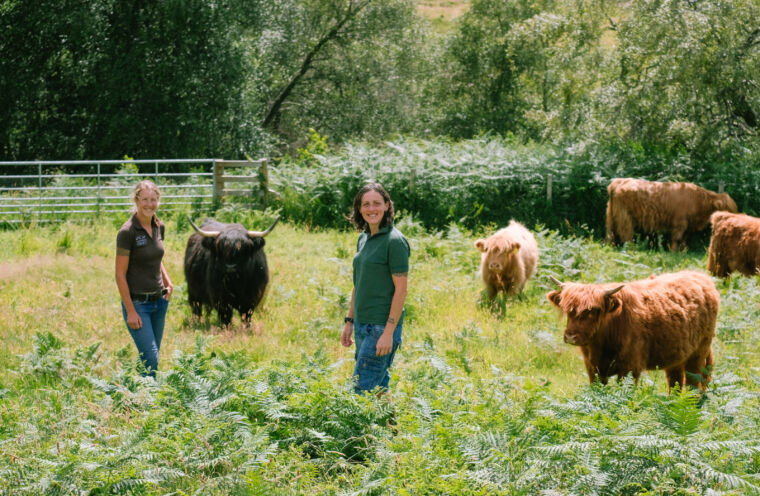
From regenerative farming practices to creating species-rich wildflower meadows across the farm, they have found themselves with a much bigger story to tell - and a much stronger reason to show up every day. The meadows are part of a project with Butterfly Conservation to create new habitat for the Northern Brown Argus, a small butterfly at risk of extinction in the UK, in the hope that it will one day extend its range onto the farm.
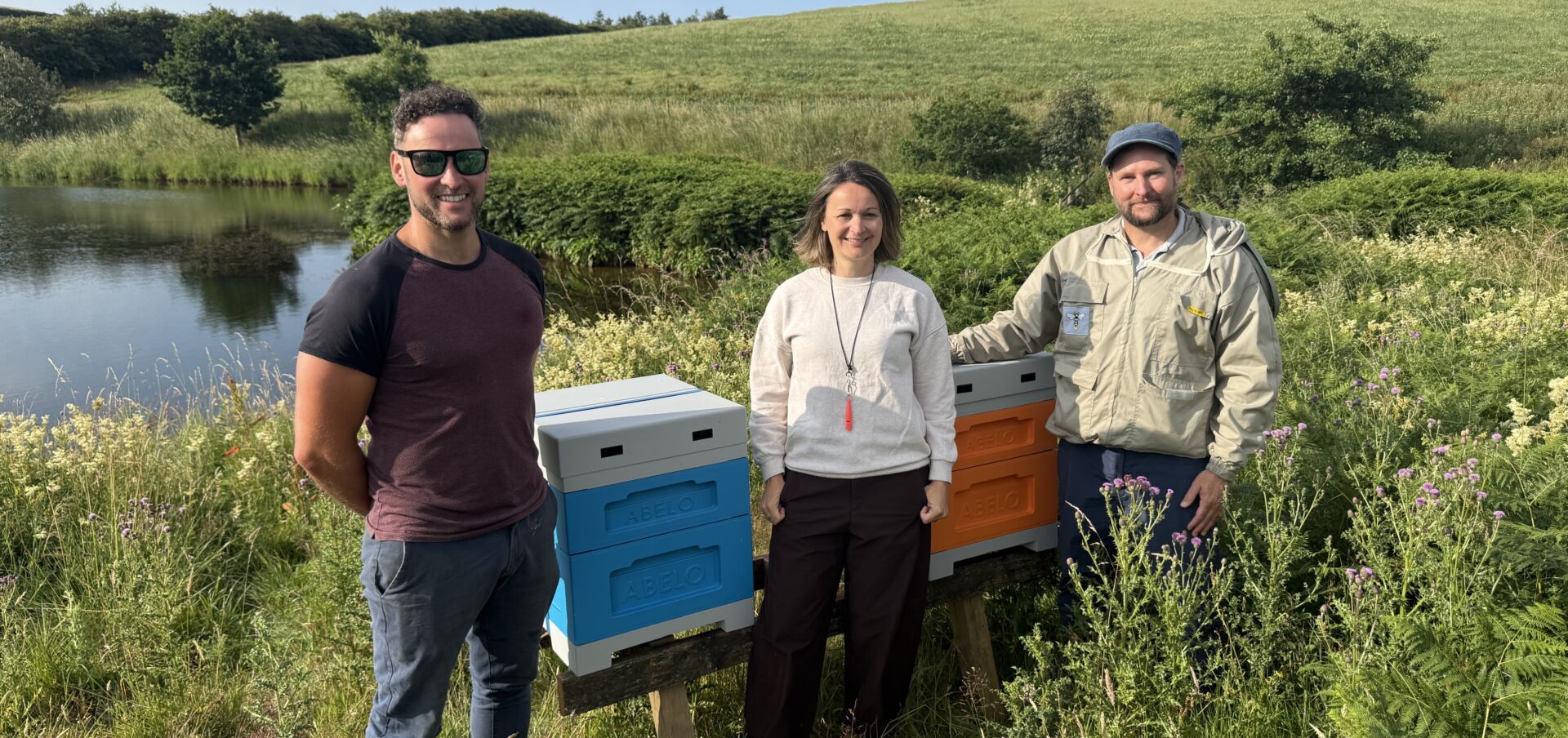
The family have also started a conservation beekeeping project with a local beekeeper, and two hives of Scottish black bees – Britain's native honeybee, hardy and well suited to the climate – have just arrived on the farm.
Technology is increasingly part of the story too, and something the family genuinely enjoy. This year they have been measuring the farm’s bird life with Chirrup AI bioacoustics monitors, with pollinator monitors from AgriSound to follow – AI-assisted tools that help them understand more about the biodiversity already on the farm and how it changes over time.
"Going from that place of peak sheep, where it was just relentless and Dave was on his own, to now - where we're genuinely excited about what we're building," says Ruth. "It feels a lot more positive. A lot more purposeful."
"We are the fourth generation of Sutherlands at this farm since 1933," adds Dave. "There are reasons behind why we want to do what we're doing. These changes we're making - they're all really good, positive stories. And we're very confident that people will be interested in hearing them."
Their message to anyone who is finding the current way of farming unsustainable, whether financially, physically or personally - is to think about the long term.
"You've got your whole future ahead of you," says Ruth. "Just because you've grown up farming one way doesn’t mean you have to stay that way - if that's not going to make you happy, it's worth changing. Whether it’s ten, twenty or thirty years. It's an investment in the rest of your working life. Farms are unique - it's not something you can just walk away from. So, you want to make sure you're doing something that works for you."
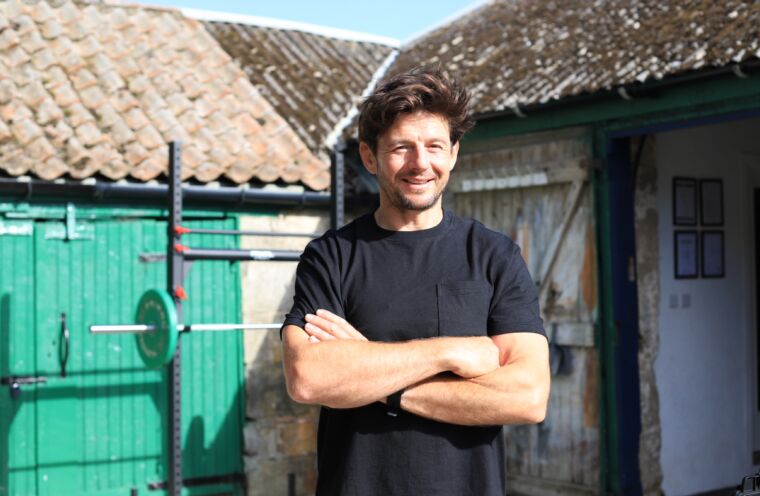
Away from the farming decisions, both Dave and Ruth are deliberate about protecting their own wellbeing day-to-day. For Dave, it's the gym. "When things are getting on top of me, the best thing I can do is get off the farm and go," he says. "I come back a better farmer and a better family member." For Ruth, it's slowing down, riding ponies with her children, walking the dog, the occasional yoga session and, when she needs it, a couple of days in London catching up with friends.
Ruth also has a list - ten things for wellbeing recommended by a GP on a podcast - pinned above her kettle at home. "When I look at it in the morning making my cup of tea, I think - yeah, I'm doing most of those things. And just reminding myself of that is actually really positive." It's a simple habit, but for Ruth it sets the tone for the day.
It’s a small daily reminder that sustainability, for Dave and Ruth, is not just about the land or the business, but about building a way of farming that they can keep doing, and enjoying, for the long term.
To see Ruth’s list click the button below, and for all the other resources available from Farmstrong Scotland visit the Wellbeing Hub
Trio & Tested - three tips from Dave & Ruth on ways they manage their wellbeing
1. Get off the farm and find your people - join a network, attend a meeting, go on a learning journey. Treat it as a necessity, not a nice-to-have. Things rarely change when you stay on the farm doing what you've always done.
2. Find what recharges you - for Dave, it's the gym. For Ruth, it's riding ponies with her children, walking the dog and the occasional yoga session. Whatever it is for you, protect that time.
3. Remind yourself of what's going well - Ruth keeps a list of ten things that support her wellbeing above her kettle at home. Looking at it every morning and recognising that she's actually doing most of them is, in itself, a positive start to the day.